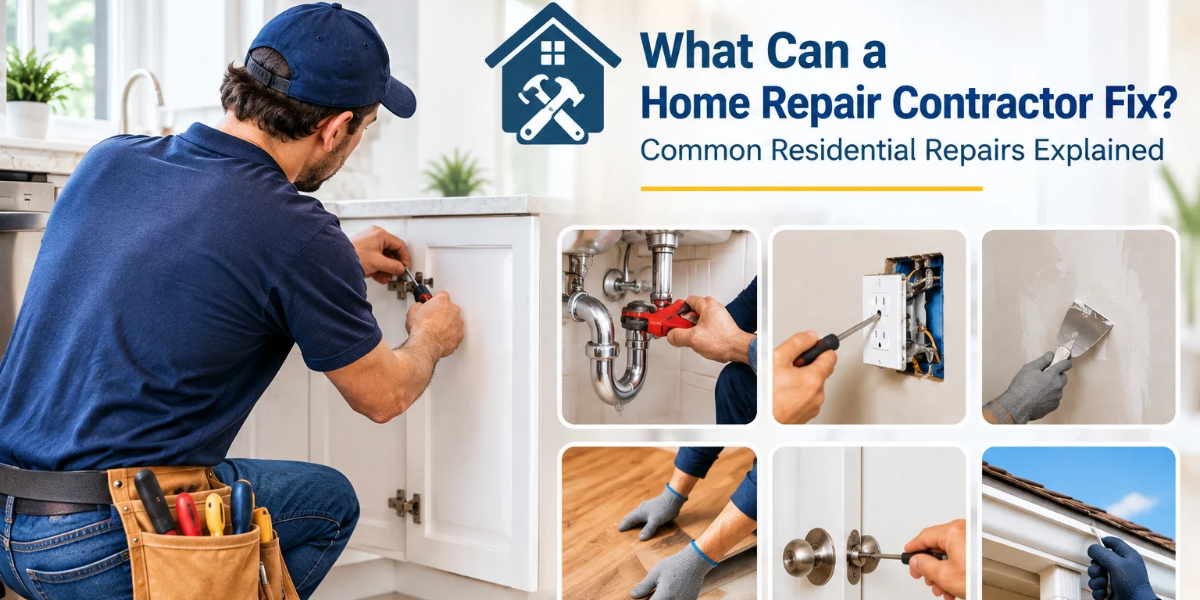
Repairs are a part of every home over time. Small issues can add up to high costs if not addressed, such as with leaky faucets or broken drywall. Luckily, a home repair contractor can take care of a lot of the typical home problems and can help homeowners keep their homes safe and comfortable.
If you have an older home or a newer home, knowing what can be repaired by a contractor will help you plan maintenance activities better. Moreover, there are a lot of small issues that can be fixed professionally and won’t turn into a huge structural issue.
In this guide, we will discuss the most common household repairs, when you need professional assistance, and what projects you need to hire specialized contractors for.
Drywall damage and interior wall repairs
Walls are subject to daily use and wear. Damage can be seen from furniture moving, accidental impacts, moisture and settling. A home repair contractor can fix these surfaces and enhance the look of your home.
Typical drywall repairs include:
- Patching small holes and cracks.
- Fixing dents, scratches and broken corners.
- Fixing drywall sections that have been damaged.
- Repairing loose or broken wall panels.
- Surface preparation to be painted.
If cracks keep appearing or if there is a lot of damage to the walls, however, it could be a sign of structural or moisture issues. So, contractors should look into the problem before they do cosmetic repairs.
Plumbing Repairs Around the House
Minor plumbing problems can waste water, increase utility bills, and damage surrounding surfaces. Depending on the project and your contractor’s license, they can perform simple plumbing repairs.
Some of the common plumbing repairs are:
- Repairing leaking fixtures and faucets.
- Installing new showerheads and faucet parts.
- Repairing running toilets.
- Repairing small leaks at accessible connections.
- Replacing broken sink or cabinet hardware.
However, more extensive pipe replacements, sewer line issues, and complicated plumbing projects could necessitate the services of a licensed plumbing professional. Ensure that your contractor is qualified to perform the work.
Installing doors, windows and hardware repairs
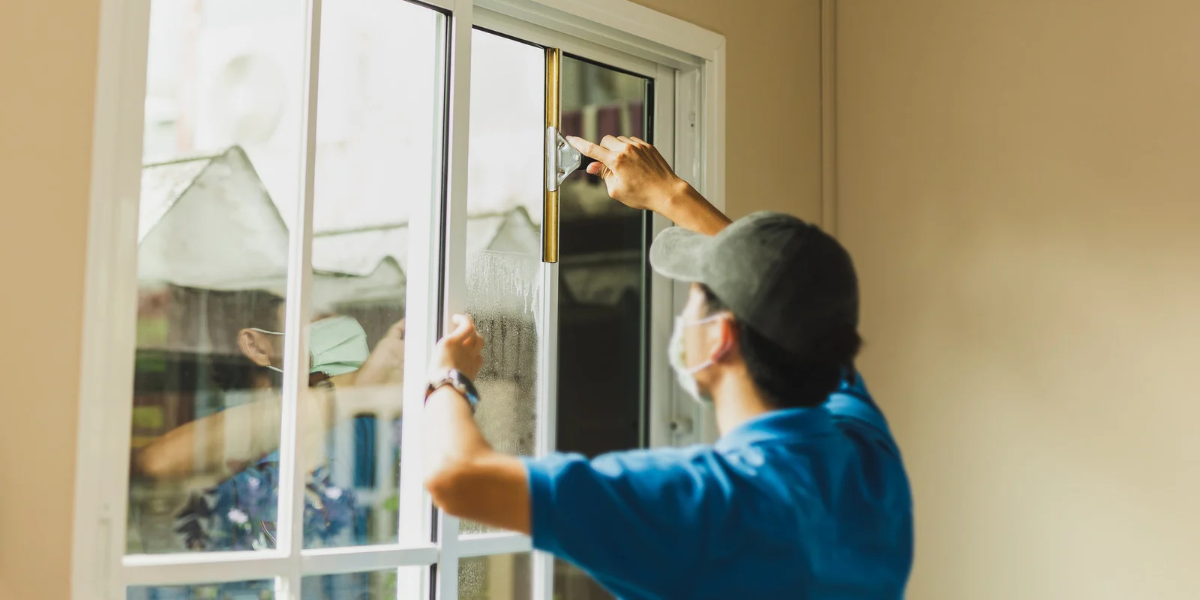
Doors and windows play a role in home security, energy efficiency and everyday convenience. If they don’t function properly, expert adjustments can fix them.
Common repairs include:
- Tightening or adjusting stuck and non-closing doors.
- Replacing damaged door locks, hinges and handles.
- Repairing damaged window screens.
- Replacing worn weather-stripping.
- Repairing small window frame damage.
- Enhancing alignment of doors and windows.
Also, well-sealed windows and doors will minimize drafts. If the frames are severely damaged or have been exposed to water, however, then a special replacement job may be necessary.
Flooring and Tile Repairs
Flooring issues can impact aesthetics and safety. When homeowners put off repairs, loose tiles, damaged floorboards and worn areas can also become more of a problem.
A home repair contractor can repair:
- Repairing cracked or broken tiles.
- How to fix a scratched hardwood floor.
- Replacing broken laminate planks.
- Securing loose floorboards.
- Repairing damaged transitions between flooring materials.
- Repairing old grout and caulking.
Contractors should test for moisture under a floor before repairing it. If water damage, mold or large areas of subfloor damage are present, more professional evaluation may be needed.
The kitchen and bathroom are also in need of repairs
Fixtures, cabinets, surfaces and fittings are used often in kitchens and bathrooms. Therefore, they should be maintained frequently in these areas.
Some typical home repairs that you can do in the kitchen and bathroom are:
- Installing or adjusting cabinet doors and handles.
- Repairing loose cabinet hinges.
- Repairing broken backsplash tiles.
- Recaulking bathtubs, showers and sinks.
- Fixing loose towel bars and bathroom fixtures.
- Replacing cabinet hardware and drawer slides.
These specific fixes can enhance the usability of the space without the need for a full overhaul. But when leaks are ongoing, water damage is concealed, and mold has spread, it’s important to investigate the problem before cosmetic work is done.
Exterior repairs and weather damage
The exterior of a home shields the interior from the elements of rain, wind, sunlight and temperature changes. Homeowners can prevent damage from spreading by performing regular inspections.
Exterior repairs can involve:
- Repairing broken sections of the siding.
- Fixing loose boards and trim outside.
- Repairing small damage to fences.
- Sealing small spaces around exterior openings.
- Repairing damaged deck boards.
- Repainting exterior surfaces where paint is peeling off.
Licensed specialists or permits may be necessary for roofing, structural foundation work, or significant storm damage. So, before embarking on bigger outdoor jobs, verify the contractor’s credentials.
Minor Electrical Repairs and Fixture Replacement
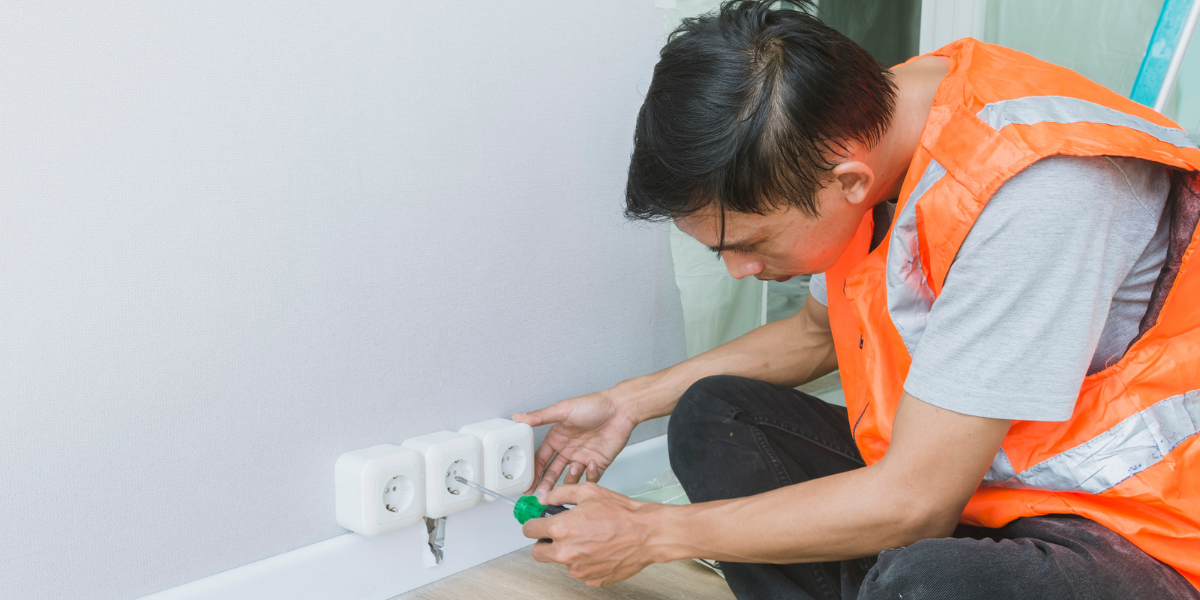
Certain contractors are allowed to undertake limited electrical work, if legally allowed and suitably qualified to do so. But safety is a special consideration for electrical work.
Repair work can consist of:
- Replacing some of the lighting fixtures.
- Fitting approved electrical fittings.
- Replacing compatible switches or outlets as authorized.
- Tying up loose fixture covers.
A qualified and licensed electrician should perform major wiring issues, electrical panel repairs, and circuit modifications. Do not make electrical repairs if not properly trained and equipped.
When to Call in a Home Repair Contractor?
When it comes to a professional’s help, it can save time, money and unnecessary stress. Consider hiring a contractor when:
- Specialized tools or technical skills are needed for repairs
- There are several minor issues that must be addressed on a single day.
- Even after repairs, damage continues to recur.
- You don’t want to cause any more damage.
- Repairs include materials, fixtures or surfaces that you can’t safely handle.
Get a written estimate, check references and verify licensing and insurance requirements before hiring anyone. Additionally, discuss the project scope, materials, duration and warranty prior to work.
A home repair contractor can fix a lot of home issues such as drywall damage, plumbing problems, flooring problems, adjusting doors, repairing cabinets, and minor exterior damage. Resolving these issues early on will help homeowners safeguard their investment and create a more pleasant living space.
The key is choosing a qualified professional who understands the specific repair requirements and local building regulations. For reliable home maintenance and repair assistance, contact California Dreamin Builders to discuss your residential repair needs and plan your next project with confidence.
Frequently Asked Questions
Can a home repair contractor fix plumbing problems?
Yes, contractors may repair dripping faucets, running toilets, and minor leaks, provided they meet applicable licensing requirements and project limitations.
Can a home repair contractor repair damaged drywall?
Yes, contractors can patch holes, repair cracks, replace damaged drywall sections, and prepare surfaces for painting and finishing.
Should I hire a contractor for small home repairs?
Hiring a qualified contractor helps ensure small repairs receive proper attention, preventing avoidable damage and saving homeowners valuable time and effort.
How do I choose the right home repair contractor?
Check licensing, insurance, references, written estimates, project experience, and warranty terms before selecting a contractor for your residential repair needs.